Cape Coral Seawalls and Florida's Flood Disclosure: What Sellers Should Know
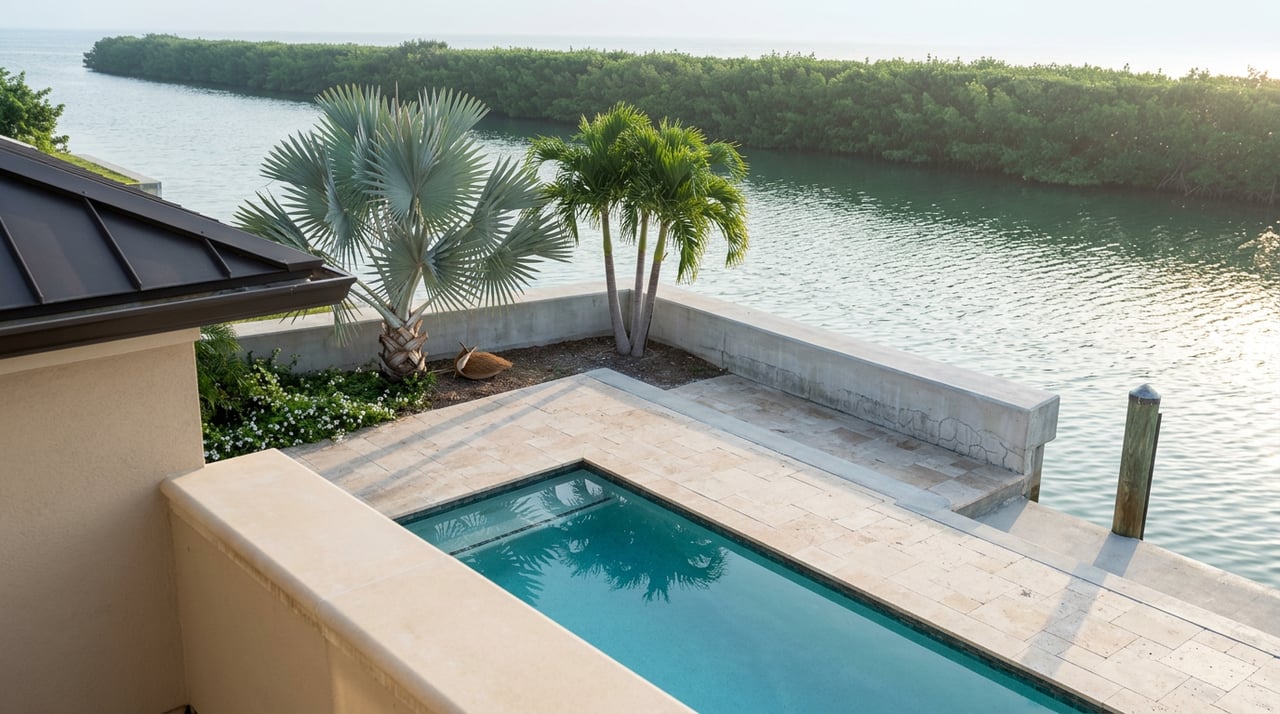
You sign the state's flood disclosure form, mail it back to your agent, and check the water question off your list. It feels like the last piece of paperwork standing between you and a listing. It isn't. The form in your hand asks about flood claims and federal assistance. It says nothing about the concrete cap sitting a few feet from your pool cage, the age of the tiebacks holding it in place, or whether anyone has looked at the wall since it went in.
That gap between what the law requires you to say and what a buyer's own inspector will eventually find is where Cape Coral canal-front deals either hold together during the inspection period or come apart. And the city's own recent experience with one of its most visible seawalls is a useful preview of what happens when that conversation gets pushed down the road instead of handled up front.
Since October 1, 2024, Florida law under Statute 689.302 has required sellers of residential property to complete a written flood disclosure and hand it to the buyer at or before the sales contract is signed. Florida Realtors reports that, as of October 1, 2025, the form was expanded to also cover any flooding the seller knows damaged the property during their ownership, not just flooding that triggered an insurance claim.
Read the form itself and the scope is narrow by design. It asks three things: whether you've filed an insurance claim for flood damage, whether you've received assistance (federal or otherwise) to remediate flood damage, and whether you know the property flooded while you owned it. That's the entire disclosure. Nothing on it asks about seawall age, condition, prior repairs, or when it was last inspected.
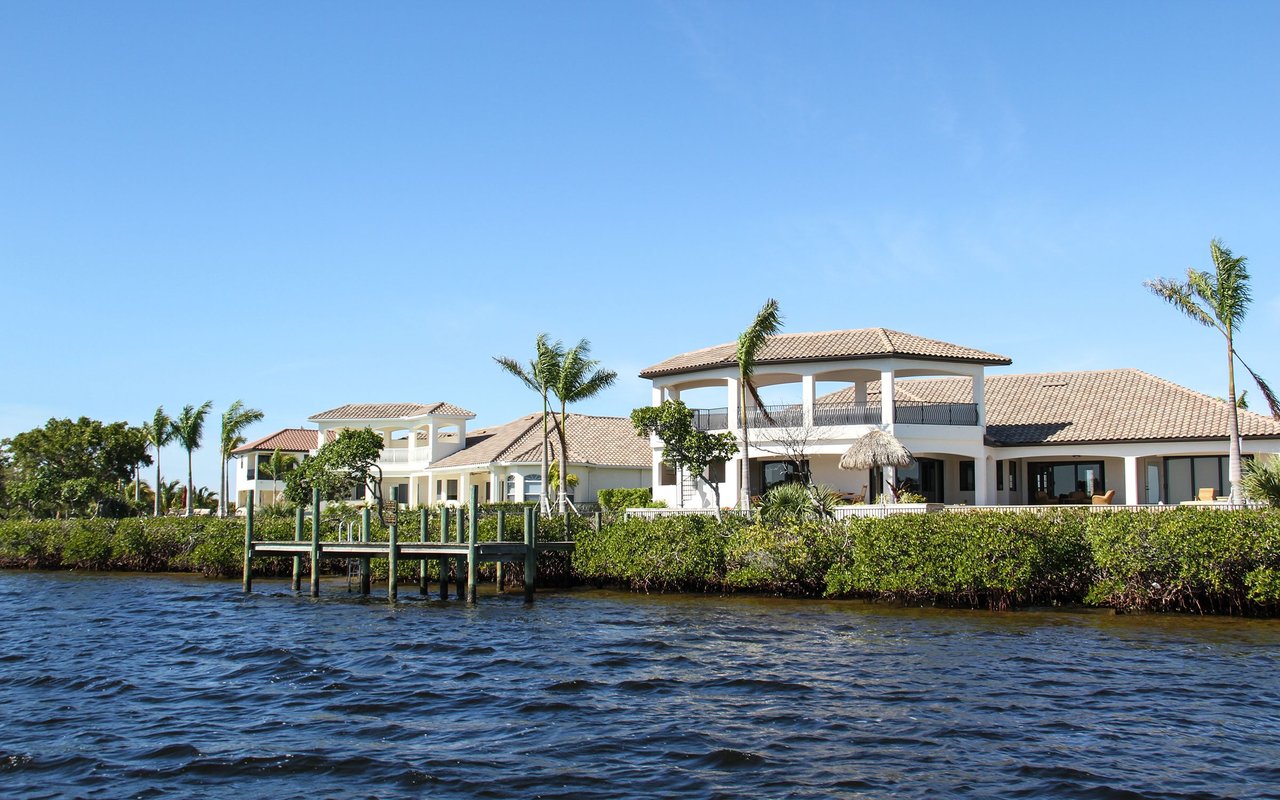
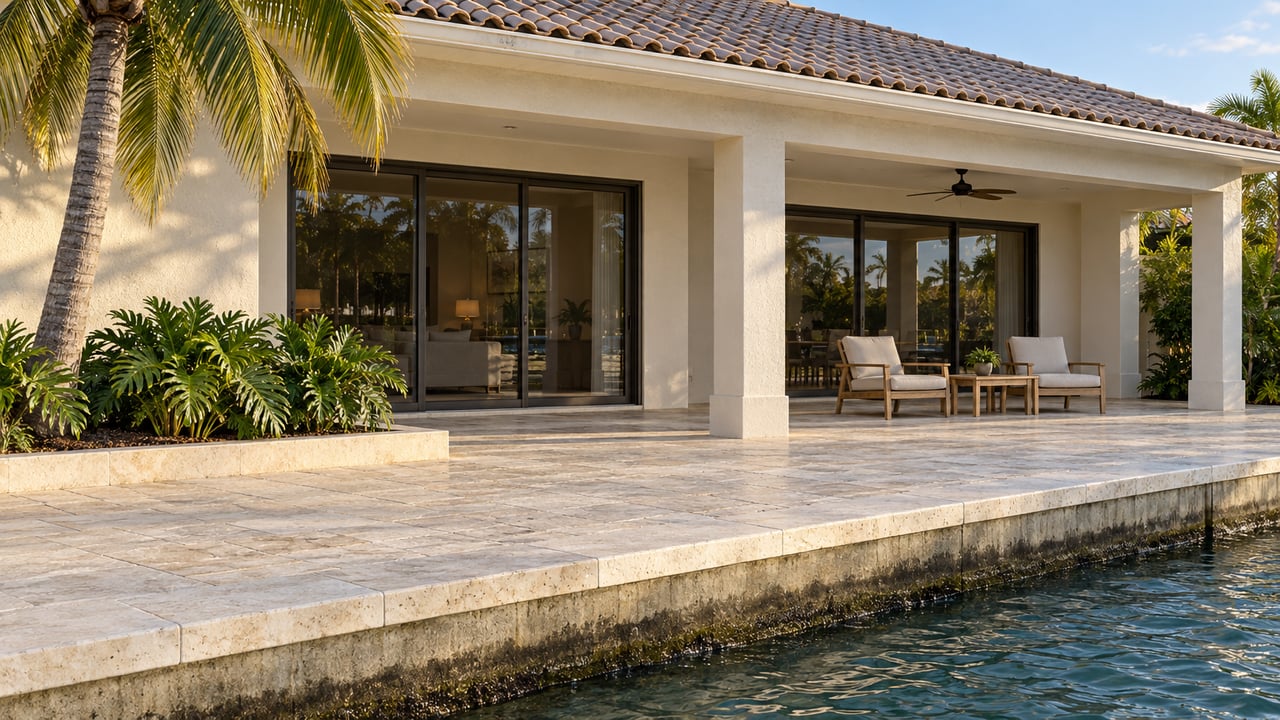
Cape Coral's own real estate market runs through more than 400 miles of residential canals, more than any other city in the world. A large share of those homes have a seawall as a structural feature of the property, not just a landscaping detail. The flood form treats water damage and structural water infrastructure as two separate questions, because legally, they are.
The obligation to say something about a failing wall doesn't come from a state form. It comes from a 1985 Florida Supreme Court ruling, Johnson v. Davis, which established that a seller who knows of a fact materially affecting the property's value, and that fact isn't something a buyer would readily observe on a normal walkthrough, has a duty to disclose it.
If you want a sense of how expensive it gets to defer a seawall decision, look at what happened at the Yacht Club itself.
In January 2019, the Cape Coral City Council authorized roughly $11 million for improvements at the Yacht Club, funded through a $60 million parks and recreation bond voters had approved the prior November. That August, a consultant walkthrough concluded the historic park's seawalls had reached the end of their useful life. A master plan was approved in February 2020. From there, the scope kept growing: a new community center, an expanded parking garage, a harbor master building, and other additions layered onto the original seawall repair. By November 2025, city reporting put the seawall construction cost alone at $22.8 million, with design and permitting adding another $9.4 million on top.
In June 2026, the council approved a $105.5 million capital funding package that folded in $23 million for the Yacht Club seawall, financed through up to $65 million in bonds authorized under Ordinance 27-26, according to reporting in the Cape Coral Breeze. Council members were told the bond carries an estimated $42 million in interest over its life.
That's seven years between a consultant flagging the wall as done and the city actually funding the fix, with the price tag growing at every stage in between. A private homeowner doesn't have a bond counsel or a 30-year repayment schedule. What that timeline shows is the mechanism, not the moral: once a wall is identified as a problem, the cost of waiting compounds faster than the cost of acting.
For a private residential seawall, the fork in the road is repair versus full replacement, and the two aren't close in cost or timeline.
| Targeted Repair | Full Replacement | |
|---|---|---|
| Typical methods | Foam injection, helical pile anchoring, cap restoration | New concrete panel or vinyl sheet pile wall |
| Cost relative to replacement | 50 to 75 percent less | Full cost |
| Cost range (standard 80-100 ft lot) | Varies by scope | Roughly $50,000 to $120,000 |
| Per linear foot | Lower | Roughly $400 to over $1,200 depending on material |
| Timeline | 1 to 5 days | Several weeks, including permitting |
| When it applies | Soil loss, minor cracking, localized spalling, tieback failure | Perforated panels, significant rotation, wall past its useful life |
A seawall's functional lifespan runs roughly 30 to 50 years depending on material and soil conditions. Many Cape Coral walls date to the city's earliest development waves in the 1960s and 1970s, which means a meaningful share of the canal system is now inside or past that window. Storm surge from Hurricane Ian, which made landfall on September 28, 2022, accelerated damage across the canal network, and marine contractors are still pulling Ian-related repair permits years later.
Most buyers in Cape Coral negotiate a 7 to 14 day inspection period. That's a short window to absorb a six-figure surprise, especially once a financed deal is already moving toward a 30 to 60 day closing. The sellers who avoid a mid-contract reopening tend to follow roughly the same sequence, in this order:
Does the state flood disclosure form cover my seawall's condition? No. Florida Statute 689.302 covers flood claim history, assistance received, and known flooding during your ownership. Seawall condition falls under the separate common-law duty established in Johnson v. Davis, which requires disclosure of known material defects that aren't obvious to a buyer.
The seawall conversation is going to happen on every canal-front sale in this city. The only real choice is whether it happens on your schedule, with a report you commissioned and numbers you already know, or on a buyer's schedule, fourteen days into contract, with leverage you no longer have.
If you're weighing the timing on a Cape Coral waterfront listing, or trying to figure out what a documented seawall condition actually does to your pricing strategy, Charles Weinstein can walk through the inspection and disclosure sequence with you before your home goes live. Let's Connect.
This article is general information, not legal, tax or financial advice. Consult a qualified professional about your situation.



Charles delivers a refined real estate experience built on personalized service, strong negotiation, and in-depth knowledge of both luxury homes and new construction. From your first conversation to closing day, he is committed to making every step seamless, informed, and focused on achieving your goals.